
Just starting a startup isn’t enough – to truly succeed, strategic financial planning is vital. By setting a clear path for growth through smart financial decisions, startups can navigate the challenges of the competitive business world and secure their future success. In this blog post, we will investigate the importance of strategic financial planning for startups and provide valuable insights on how to effectively plan for financial growth and sustainability.
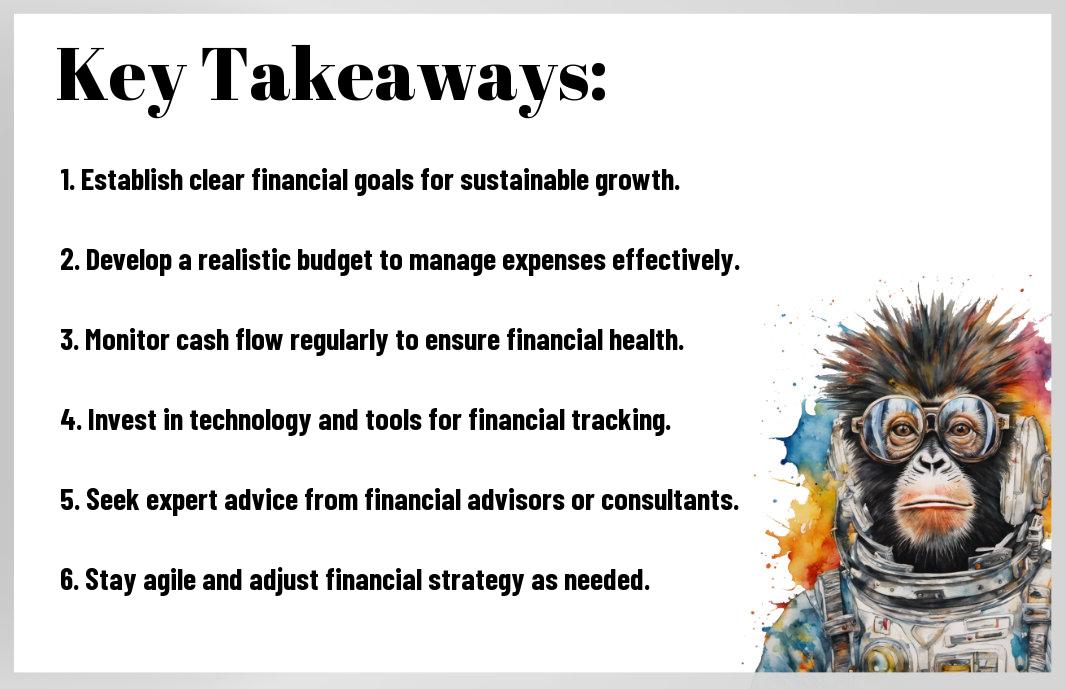
Key Takeaways:
- Understand the importance of strategic financial planning: Strategic financial planning is crucial for startups to set a clear path for growth and success.
- Define clear financial goals: Startups should establish specific, measurable, achievable, relevant, and time-bound financial goals to guide their planning.
- Develop detailed financial projections: Creating detailed financial projections helps startups understand their current financial standing and forecast future financial performance.
- Monitor and review financial performance: Regularly monitoring and reviewing financial performance against set goals allows startups to make informed decisions and adjustments as needed.
- Prepare for fundraising and investment: Strategic financial planning helps startups present a compelling financial strategy to potential investors and secure funding for growth.
- Manage cash flow effectively: Startups need to prioritize managing cash flow to ensure they have enough liquidity to cover expenses and invest in growth opportunities.
- Adapt and update financial plans as needed: Startups should be flexible and willing to adjust their financial plans based on changing market conditions, business performance, and growth opportunities.
Understanding The Basics of Financial Planning for Startups
Before plunging into the world of financial planning for startups, it is crucial to understand the basics. If you are new to this area, I recommend checking out Creating a Financial Plan for Startups: The Ultimate Guide for a comprehensive overview.
The Importance of Financial Planning
With proper financial planning, startups can set a clear path for growth and success. It allows entrepreneurs to anticipate financial challenges, allocate resources efficiently, and make informed business decisions. Financial planning also helps in securing funding from investors by demonstrating a well-thought-out strategy.
Key Financial Terms and Metrics for Startups
Planning is necessary for startups to familiarize themselves with key financial terms and metrics. Understanding concepts such as burn rate, runway, gross margin, and cash flow projections is crucial for making informed financial decisions. These metrics provide valuable insights into the financial health of the business and help in planning for future growth and sustainability.
Creating a Robust Financial Plan
Setting Realistic Financial Goals
The key to building a successful financial plan for your startup is to set realistic financial goals. An unrealistic goal can lead to poor decision-making and unnecessary risk-taking. By setting achievable and measurable targets, you can track your progress and make adjustments as needed to stay on course towards financial stability and growth.
Forecasting Revenue and Expenses
Financial forecasting involves predicting future revenue and expenses based on historical data and market trends. It is crucial for startups to develop accurate financial forecasts to make informed business decisions and allocate resources effectively. By understanding your expected revenue streams and anticipated expenses, you can create a roadmap for sustainable growth and profitability.
Forecasting revenue and expenses allows startups to anticipate potential cash flow issues and plan accordingly. By accurately predicting your cash inflows and outflows, you can make informed decisions about budgeting, investment, and financial strategy.
Cash Flow Management Strategies
One of the keys to financial success for startups is effective cash flow management. By implementing strategies to optimize cash flow, such as monitoring receivables, managing payables, and controlling expenses, startups can ensure they have enough liquidity to cover operational costs and fuel growth. Cash flow management is vital for maintaining financial health and stability.
To effectively manage cash flow, startups should establish clear payment terms with customers, negotiate favorable terms with suppliers, and regularly review their cash flow statements to identify potential bottlenecks or areas for improvement.
Financing Your Startup
Exploring Various Funding Options
After identifying the need for financial backing to kickstart your startup, it is crucial to explore various funding options available in the market. These options range from traditional bank loans and crowdfunding to angel investors, venture capital, and government grants.
The Role of Venture Capital and Angel Investors
The role of venture capital and angel investors in funding startups cannot be understated. Venture capitalists typically invest larger sums of money in exchange for equity in the company, while angel investors are individuals who provide capital and mentorship in exchange for ownership equity.
An crucial benefit of venture capital and angel investors is the expertise and network they bring to the table. Apart from funding, they often provide valuable guidance and connections that can significantly accelerate the growth of your startup.
Preparing for Seed Funding Rounds
It is crucial to prepare diligently for seed funding rounds, as they serve as the initial capital infusion that propels your startup towards growth. This stage typically involves pitching your business idea to potential investors and demonstrating the viability and scalability of your business model.
Any startup looking to secure seed funding should have a well-thought-out business plan, a solid understanding of their target market, and a compelling value proposition that sets them apart from competitors.
Financial Planning Tools and Resources
Software and Tools for Financial Planning
To effectively plan for financial growth, startups can leverage various software and tools designed specifically for financial planning. These tools can help in creating budgets, forecasting cash flows, tracking expenses, and generating financial reports. Popular options include QuickBooks, FreshBooks, and Excel templates for financial modeling. By utilizing these resources, startups can streamline their financial planning process and make informed decisions for sustainable growth.
Leveraging Professional Financial Planning Services
Tools
This subsection highlights the importance of seeking professional assistance from financial planners or consultants. These experts can provide valuable insights, analysis, and recommendations tailored to the startup’s unique financial goals and challenges. By outsourcing financial planning to professionals, startups can benefit from their expertise in managing risks, maximizing profitability, and optimizing financial performance.

Scaling and Adjusting Your Financial Plan
All successful startups understand the importance of strategic financial planning in setting a path for growth. Financial planning is not a one-time activity; it needs to be consistently monitored, adjusted, and scaled as the business evolves. In my recent article on How Financial Planning can Transform a Startup, I highlight the significance of adapting your financial plan to meet the changing needs of your startup.
Monitoring Financial Performance
The key to sustainable growth lies in monitoring your startup’s financial performance regularly. This involves tracking key financial metrics, analyzing variances, and comparing actual results against your projected financial goals. By keeping a close eye on your financial performance, you can identify potential risks and opportunities early on, allowing you to make informed decisions to optimize your financial resources.
Adapting to Market Changes and Scaling Up
Planning for market changes and scaling up is a crucial aspect of strategic financial planning for startups. As your business grows, market dynamics may shift, requiring you to adapt your financial plan accordingly. This could involve revisiting your revenue model, adjusting pricing strategies, or reallocating resources to capitalize on emerging opportunities. By staying agile and responsive to market changes, you can position your startup for sustainable growth and success in the long run.
Final Words
As a reminder, strategic financial planning is crucial for startups to set a clear path for growth and success. By establishing a solid financial plan that aligns with the company’s goals and objectives, startups can make informed decisions that will ensure sustainable growth and profitability. It is crucial to regularly review and adjust the financial plan to adapt to changing market conditions and business needs. By prioritizing strategic financial planning, startups can position themselves for long-term success and avoid common pitfalls that lead to financial instability. Recall, taking the time to develop a comprehensive financial plan is an investment in the future success of your startup.
FAQ
Q: Why is strategic financial planning important for startups?
A: Strategic financial planning helps startups set a clear path for growth, manage cash flow effectively, and make informed decisions to achieve long-term success.
Q: What are the key components of strategic financial planning for startups?
A: Key components include budgeting, forecasting, financial analysis, risk management, and setting financial goals aligned with the business strategy.
Q: How can startups create a financial forecast?
A: Startups can create a financial forecast by projecting their revenues, expenses, and cash flow for a specific period, usually 1-3 years, based on historical data and market trends.
Q: What role does risk management play in strategic financial planning for startups?
A: Risk management in financial planning helps startups identify potential risks, such as market fluctuations or unexpected expenses, and develop strategies to mitigate them to protect the business’s financial health.
Q: How often should startups review and adjust their financial plans?
A: Startups should review and adjust their financial plans regularly, at least quarterly, to reflect changes in the business environment, performance, and goals.
Q: Why is it important for startups to align their financial goals with their business strategy?
A: Aligning financial goals with business strategy ensures that startups allocate resources effectively, prioritize initiatives that drive growth, and measure success in achieving strategic objectives.
Q: What are some common financial mistakes that startups should avoid in their strategic planning?
A: Common financial mistakes to avoid include underestimating expenses, overestimating revenues, neglecting to build a cash reserve, and failing to monitor key financial metrics regularly.