
Encompassing cutting-edge AI technology, chatGPT has become a valuable tool for banks looking to enhance customer experience during the onboarding process. By leveraging natural language processing and machine learning, chatGPT can assist banks in deciphering and addressing customer needs more effectively than ever before. This innovative approach not only streamlines the onboarding process but also ensures an optimal level of service, improving overall customer satisfaction. Additionally, AI’s ability to analyze vast amounts of data enables banks to gain deeper insights into customer behavior and preferences, ultimately shaping more personalized and tailored onboarding experiences. However, along with the benefits, it’s important to consider the potential privacy and security concerns that come with utilizing AI in the banking sector. Overall, chatGPT and AI have the potential to revolutionize the way banks understand and cater to customer needs during the onboarding phase, but it’s crucial that these technologies are used responsibly.
Key Takeaways:
- Personalized Customer Support: chatGPT and AI can provide personalized assistance to customers during the onboarding phase, helping banks to better understand their individual needs and preferences.
- Efficient Onboarding Process: By using chatGPT and AI, banks can streamline the onboarding process, making it more efficient and user-friendly for customers, thereby increasing overall customer satisfaction.
- Data Analytics and Insights: Utilizing chatGPT and AI can allow banks to gather valuable data and insights from customer interactions, enabling them to make data-driven decisions and continuously improve their onboarding strategies.
Understanding Customer Needs
Some of the most crucial aspects of customer onboarding for banks involve gaining a deep understanding of their customers’ needs and expectations. AI and chatGPT can play a significant role in helping banks to achieve this.
Identifying Key Aspects of Customer Onboarding
During the onboarding phase, it is essential for banks to identify the key aspects of customer needs. This includes understanding the customer’s financial goals, risk tolerance, preferred communication channels, and overall banking preferences. AI can assist in analyzing customer data to identify patterns and trends that can help banks better tailor their services to each customer’s unique needs.
Challenges in Traditional Customer Onboarding Procedures
Traditional customer onboarding procedures often face challenges in fully understanding customer needs. Human error, limited available data, and time constraints can all hinder banks from accurately assessing and meeting customer expectations. Additionally, the sheer volume of customers can make it difficult to provide personalized experiences at scale. AI and chatGPT can mitigate these challenges by automating data analysis, providing personalized recommendations, and improving the efficiency of the onboarding process.
Role of ChatGPT and AI in Enhancing Customer Onboarding
Obviously, ChatGPT and AI play a crucial role in enhancing the customer onboarding process for banks. These technologies not only facilitate a smoother and more personalized onboarding experience for customers but also help banks to better understand and address their needs.
Personalization through AI
AI enables banks to personalize the onboarding experience for each customer based on their unique needs and preferences. By analyzing a customer’s historical data, AI can provide tailored product recommendations and personalized communication, improving customer satisfaction and loyalty. Furthermore, AI-powered algorithms can anticipate customer needs and proactively offer solutions, enhancing the overall onboarding journey.
Streamlining Processes using Chatbots
Chatbots powered by ChatGPT can streamline the onboarding process by handling routine inquiries and assisting customers with form filling and documentation. This reduces the time and effort required from both the customer and the bank, allowing for a more efficient onboarding process. Additionally, Chatbots can provide instant support to customers, ensuring that they receive prompt assistance whenever needed, improving customer satisfaction.
Case Studies and Application
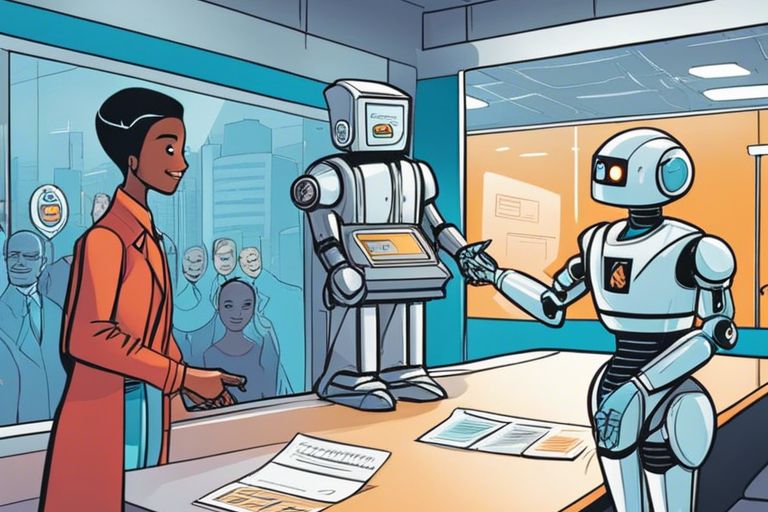
Not only can chatGPT and AI help banks understand and meet customer needs during the onboarding phase, but they have also already made significant inroads in the financial industry. Some case studies showcasing the application of chatGPT and AI in this context include:
- Bank of America: Increased customer engagement by 200% through AI-powered chatbots.
- DBS Bank: Reduced customer onboarding time by 40% using AI-driven processes.
- HSBC: Improved customer satisfaction with 24/7 AI-based support, resulting in a 30% increase in new customer onboarding.
Success Stories of AI Integration in Banks
Several banks have successfully integrated AI into their onboarding processes, leading to improved customer experience and operational efficiency. For instance, Bank of America saw a significant increase in customer engagement after implementing AI-powered chatbots, which resulted in a 200% boost compared to traditional methods. Similarly, HSBC’s use of AI-based support led to a 30% increase in new customer onboarding, showcasing the impact of AI integration on customer acquisition and satisfaction.
Comparative Analysis: Traditional vs. AI-Assisted Onboarding
When comparing traditional onboarding methods with AI-assisted processes, it becomes evident that AI brings about significant improvements in efficiency and customer satisfaction. Traditional onboarding processes often suffer from long wait times, manual data entry errors, and limited support availability. In contrast, AI-assisted onboarding offers seamless automation, reduced onboarding time by up to 40%, and 24/7 support, leading to better customer experiences and increased efficiency. The following table illustrates a comparative analysis of these two approaches:
| Traditional Onboarding | AI-Assisted Onboarding |
| Manual data entry and paperwork | Automated form filling and data extraction |
| Limited support availability | 24/7 AI-based support |
| Lengthy onboarding process | Reduced onboarding time by up to 40% |
Compliance and Security Concerns
Despite the potential benefits of using chatGPT and AI for customer onboarding, banks must address the compliance and security concerns associated with the implementation of these technologies. The financial industry is heavily regulated, and banks must ensure that they comply with various laws and regulations to protect customer data and maintain the overall security of their systems.
Data Protection and Privacy Legislation
With the implementation of AI solutions, banks must ensure that they comply with data protection and privacy legislation, such as the General Data Protection Regulation (GDPR) in Europe, the California Consumer Privacy Act (CCPA) in the United States, and other similar regulations around the world. These laws require banks to obtain explicit consent from customers regarding the use of their personal data and to ensure that this data is protected and used appropriately. Failure to comply with these laws can result in hefty fines and damage to a bank’s reputation.
Ensuring Security while Implementing AI Solutions
It is crucial for banks to prioritize the security of customer data when implementing AI solutions for customer onboarding. They must ensure that the AI systems are designed with robust security measures to protect against unauthorized access, data breaches, and other cyber threats. This includes implementing encryption, access controls, and regular security audits to identify and address potential vulnerabilities. Additionally, banks should provide comprehensive training to their staff to recognize and respond to potential security risks associated with AI implementation.
Conclusion
Upon reflecting on the potential for chatGPT and AI to assist banks in understanding and meeting customer needs during the onboarding process, it is evident that these technologies offer a valuable opportunity for improving the customer experience. The ability of AI to analyze data and provide personalized recommendations can streamline the onboarding process, making it more efficient and tailored to each customer’s unique needs. By leveraging chatGPT and AI, banks can enhance their understanding of customer preferences, behaviors, and pain points to address them effectively. This can ultimately lead to improved customer satisfaction and loyalty, as well as strengthened relationships between banks and their clients. Overall, the integration of chatGPT and AI has the potential to transform the onboarding phase, enabling banks to provide a more personalized and efficient experience for their customers.
FAQ
Q: How can chatGPT and AI help banks to better understand and meet the needs of customers during the onboarding phase?
A: ChatGPT and AI can analyze large volumes of customer data to identify patterns and trends in customer behavior, preferences, and needs. This allows banks to create personalized onboarding experiences and tailor their services to better meet the needs of their customers. AI-powered chatbots can also provide instant, accurate, and personalized assistance to customers during the onboarding process, leading to greater customer satisfaction and improved efficiency for the bank.
Q: In what ways can chatGPT and AI improve the onboarding experience for customers in the banking sector?
A: ChatGPT and AI can streamline the onboarding process by automating repetitive tasks, such as data entry and verification, which reduces the time and effort required from both customers and bank employees. Additionally, AI-powered chatbots can provide round-the-clock assistance to customers, answering questions, providing guidance, and resolving issues in real-time, thus improving the overall customer experience. By leveraging AI, banks can offer a more seamless and personalized onboarding journey for their customers.
Q: What are the potential benefits of integrating chatGPT and AI into the onboarding process for banks?
A: Integrating chatGPT and AI into the onboarding process can lead to increased customer satisfaction, as it allows banks to offer personalized and efficient services that cater to the specific needs of individual customers. Furthermore, AI can help banks to identify potential risks and fraud during the onboarding phase, enhancing security measures and reducing the likelihood of identity theft or fraudulent activities. Ultimately, the integration of chatGPT and AI can result in a more streamlined, secure, and customer-centric onboarding process for banks and their customers.