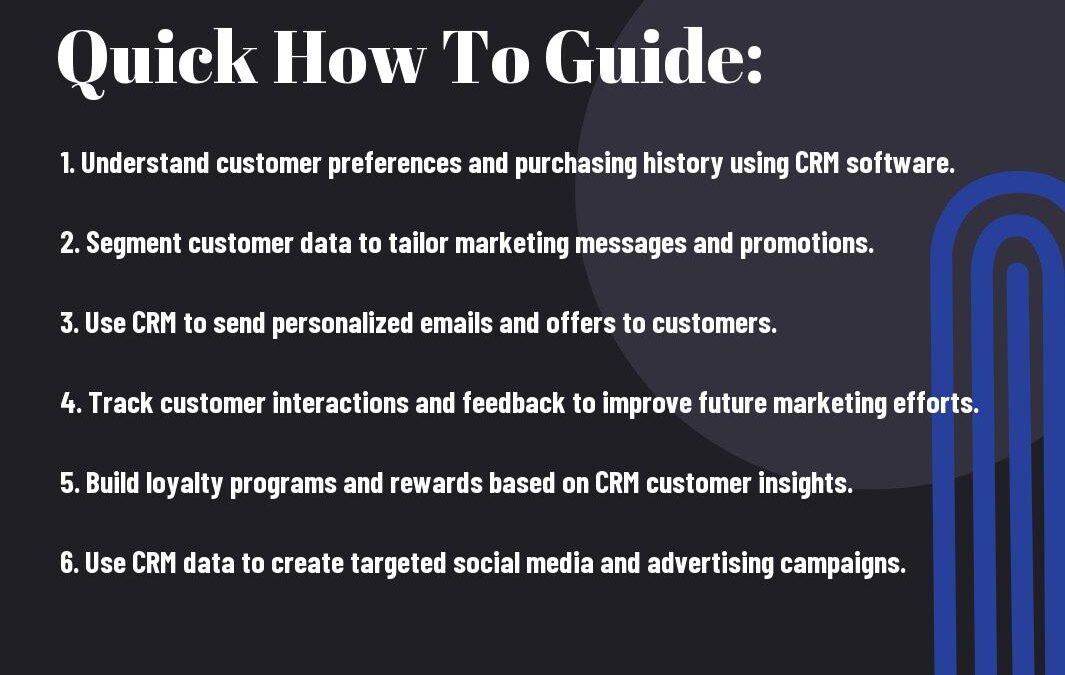
Customer Relationship Management (CRM) is a valuable tool that can greatly enhance a local shop owner’s ability to effectively market to their customer base and increase customer retention. With the right CRM system in place, a business owner can leverage valuable customer data to create personalized marketing campaigns that resonate with their target audience. By utilizing CRM, a shop owner can gain insights into their customers’ preferences, purchase history, and communication preferences, allowing them to tailor marketing efforts to individual customers, resulting in increased customer loyalty and retention.
Implementing the right CRM system can be a game-changer for a local shop owner looking to grow their business. By effectively utilizing CRM, a shop owner can track and analyze customer data, allowing them to target customers with personalized offers and promotions. Furthermore, a CRM system can help a shop owner automate their marketing efforts, ensuring that they stay connected with their customer base through targeted email campaigns, personalized messages, and follow-up communications. This not only increases customer retention but also helps in acquiring new customers through personalized and targeted marketing efforts.
Ultimately, a well-implemented CRM system can provide a local shop owner with the tools they need to deepen their customer relationships, drive repeat sales, and ultimately grow their business. In this blog post, we will explore the various ways in which CRM can help a local shop owner personalize their marketing efforts and improve customer retention. From leveraging customer data to creating targeted marketing campaigns, we will provide valuable insights and strategies for utilizing CRM to its full potential for the benefit of a local shop owner.
Key Takeaways:
- Understanding customer preferences: CRM helps local shop owners track customer purchasing behavior and preferences, allowing for personalized marketing efforts tailored to individual customer needs.
- In-depth customer data: Utilizing CRM allows for a comprehensive view of customer data, including past purchases, communication history, and feedback, enabling personalized marketing campaigns.
- Customized marketing campaigns: With CRM, local shop owners can create targeted advertising and promotions based on individual customer interests and interactions, enhancing customer retention.
- Improved customer communication: CRM facilitates personalized communication with customers, whether through targeted emails, personalized offers, or loyalty programs, strengthening customer relationships.
- Enhanced customer experience: By personalizing marketing efforts, local shop owners can provide a more tailored, engaging experience for their customers, increasing satisfaction and retention.
- Long-term customer relationships: Personalized marketing efforts enabled by CRM can help local shop owners build lasting relationships with customers, leading to increased loyalty and repeat business.
- Data-driven decision-making: Utilizing CRM data allows local shop owners to make informed marketing decisions, leading to more effective customer retention strategies and improved business outcomes.

Understanding CRM and Its Potential for Local Shops
One of the most powerful tools available for local shop owners to personalize their marketing efforts and increase customer retention is Customer Relationship Management (CRM) software. CRM systems are designed to help businesses manage and analyze customer interactions and data throughout the customer lifecycle, with the goal of improving customer relationships, driving sales growth, and delivering better customer service.
What Is CRM and How Does It Work?
Customer Relationship Management (CRM) refers to the practices, strategies, and technologies that companies use to manage and analyze customer interactions and data throughout the customer lifecycle, with the goal of improving customer relationships, driving sales growth, and delivering better customer service. CRM systems collect and organize customer data, track customer interactions, and automate certain business processes such as sales activities, marketing campaigns, and customer service.
Key Features and Benefits of CRM Systems for Local Shop Owners
CRM systems offer a wide range of features and benefits for local shop owners, helping them to better understand their customers, personalize marketing efforts, and increase customer retention. Some key features and benefits include:
- Customer Data Management: CRM systems allow local shop owners to centralize customer information, including contact details, purchase history, and preferences.
- Marketing Automation: CRM systems enable targeted marketing campaigns based on customer data, allowing local shop owners to send personalized offers and promotions.
- Sales Tracking: CRM systems provide insights into sales performance and customer buying behavior, helping local shop owners to identify opportunities for upselling and cross-selling.
- Customer Service Management: CRM systems facilitate better customer service by providing a unified view of customer interactions, allowing local shop owners to deliver more personalized and responsive support.
After implementing a CRM system, local shop owners can benefit from improved customer retention, increased repeat business, and a more personalized shopping experience for their customers.
How-to Implement CRM in Your Local Shop
However, implementing a CRM system in your local shop can be a game-changer for your marketing efforts and customer retention. It allows you to streamline your communication, personalize your marketing strategies, and gain valuable insights into your customers’ preferences and behavior.
Tips on Selecting the Right CRM Solution
When selecting a CRM solution for your local shop, it’s crucial to consider your specific business needs and goals. Some key factors to keep in mind include the size of your shop, the complexity of your sales process, and the level of customization you require. It’s important to choose a CRM solution that offers the right features for your shop, whether it’s customer segmentation, email marketing integration, or loyalty program management.
- Scalability: Ensure that the CRM solution can grow with your business and adapt to your evolving needs.
- Integration: Look for a CRM solution that seamlessly integrates with your existing tools and platforms, such as your point-of-sale system or e-commerce website.
- User-Friendly Interface: Choose a CRM system that is intuitive and easy for your team to learn and use effectively.
- Mobile Accessibility: Consider a CRM solution that offers mobile functionality, allowing you to access customer data and manage your shop on the go.
Knowing these key considerations will help you make an informed decision and select a CRM solution that aligns with your shop’s unique requirements.
Step-by-Step Guide to Integrating CRM into Your Current Processes
Integrating a CRM system into your current processes may seem daunting, but it can be broken down into manageable steps. Firstly, identify the key areas where you want to use CRM, such as customer data management, marketing automation, or customer support. Then, assess the current state of those areas and determine the desired state after CRM implementation.
| Current State | Desired State |
| Manual customer data entry and management | Automated customer data collection and segmentation |
| Generic mass marketing campaigns | Personalized and targeted marketing efforts |
| Limited customer insight and analytics | Comprehensive customer behavior analysis and reporting |
By breaking down the integration process into these steps, you can identify the specific changes and improvements that CRM will bring to your shop, ensuring a smooth transition and maximizing the benefits of the system.
Personalizing Marketing Efforts with CRM Data
However, simply collecting data is not enough; local shop owners need to leverage their customer relationship management (CRM) system to personalize their marketing efforts in order to stay competitive in the market. By utilizing the data stored in their CRM system, shop owners can gain valuable insights into their customers’ preferences and behavior, allowing them to create targeted marketing campaigns that speak directly to their customers’ needs and interests.
How to Utilize Customer Data for Personalization
One of the key benefits of using a CRM system is the ability to gather and analyze customer data. By tracking customer interactions, purchase history, and demographics, shop owners can gain a deeper understanding of their customers’ preferences and behaviors. With this valuable insight, they can then create personalized marketing campaigns that are tailored to individual customers’ needs and interests. For example, a local shop owner can use CRM data to send personalized emails to customers on their birthdays, offer special promotions based on past purchase history, or recommend products based on customer preferences. This level of personalization not only strengthens the relationship between the shop owner and their customers, but also increases the likelihood of repeat purchases and customer loyalty.
Creating Targeted Marketing Campaigns Based on CRM Insights
Once a local shop owner has gathered and analyzed customer data through their CRM system, they can use these insights to create targeted marketing campaigns that resonate with their customers. For example, by segmenting their customer base based on purchasing behavior or demographics, shop owners can tailor their marketing messages to specific customer groups. Whether it’s sending out personalized promotions based on past purchases, launching targeted email campaigns to specific customer segments, or creating custom product recommendations, shop owners can use CRM insights to deliver relevant and compelling marketing messages that drive engagement and conversions. By leveraging CRM data to create targeted marketing campaigns, local shop owners can increase customer retention and drive business growth.
Enhancing Customer Experiences to Increase Retention
Despite the rapid growth of online shopping, the experience of walking into a local shop and being greeted by a familiar face is still valued by many customers. With a Customer Relationship Management (CRM) system, a local shop owner can enhance the customer experience by personalizing their interactions, understanding their preferences, and providing tailored recommendations. By doing so, they can increase customer retention and loyalty, ultimately leading to improved sales and profitability.
Tips for Leveraging CRM to Improve Customer Interactions
When it comes to leveraging CRM to improve customer interactions, there are several key strategies that local shop owners can implement. First and foremost, it’s essential to collect and analyze customer data to gain insights into their preferences and purchase history. This allows the shop owner to personalize their marketing efforts and tailor their communications to each individual customer. Furthermore, using automation within the CRM system can ensure that follow-up interactions with customers are timely and consistent, helping to maintain engagement and build rapport. Additionally, by tracking customer engagement, such as email open rates and website visits, the shop owner can gain a better understanding of what resonates with each customer, enabling them to refine their marketing strategies accordingly. Lastly, utilizing the CRM system to provide exceptional customer service is crucial in building long-term relationships. By keeping track of customer inquiries and feedback, the shop owner can address any issues promptly and effectively, demonstrating their commitment to customer satisfaction.
- Collect and analyze customer data: Gain insights into customer preferences and purchase history.
- Utilize automation: Ensure timely and consistent follow-up interactions with customers.
- Track customer engagement: Understand what resonates with each customer to refine marketing strategies.
- Provide exceptional customer service: Address customer inquiries and feedback promptly and effectively.
Though it requires a dedicated effort, the benefits of leveraging CRM to improve customer interactions are significant. By personalizing marketing efforts and providing exceptional service, shop owners can enhance the customer experience and ultimately increase retention and loyalty.
Factors Contributing to Customer Satisfaction and Loyalty
After implementing CRM to enhance customer experiences, several factors contribute to customer satisfaction and loyalty. For instance, having a personalized approach to communication and marketing demonstrates that the shop owner values their customers as individuals, fostering a sense of loyalty. Additionally, by providing tailored recommendations based on customer preferences and past purchases, the shop owner can enhance the overall shopping experience and increase customer satisfaction. Furthermore, consistently delivering excellent customer service and addressing any issues promptly contributes to building trust and loyalty. Finally, rewarding customer loyalty through personalized offers, discounts, or exclusive events reinforces the shop’s appreciation for their customers and encourages repeat business.
- Personalized approach: Demonstrates value for customers as individuals, fostering loyalty.
- Tailored recommendations: Enhances the overall shopping experience and increases customer satisfaction.
- Excellent customer service: Builds trust and loyalty by addressing issues promptly.
- Rewarding customer loyalty: Encourages repeat business and demonstrates appreciation for customers.
After enhancing the customer experience and addressing factors contributing to satisfaction and loyalty, local shop owners can expect to see improved customer retention and increased sales, ultimately contributing to the long-term success of their business.
How to Measure the Success of CRM in Marketing and Retention
Your local shop owner has implemented a CRM system to personalize their marketing efforts and increase customer retention. But how can they measure the success of this initiative? Tracking the effectiveness of CRM in marketing and retention is essential for making data-driven decisions and optimizing strategies. By measuring key performance indicators (KPIs) and analyzing customer retention rates, the shop owner can gain valuable insights into the impact of CRM on their business.
Key Performance Indicators (KPIs) for CRM-Driven Marketing Strategies
When it comes to evaluating the success of CRM in marketing, there are several KPIs that the shop owner should monitor. These include customer engagement, conversion rates, customer lifetime value, and customer satisfaction. By tracking customer engagement metrics such as open rates, click-through rates, and responses to personalized offers, the shop owner can assess the effectiveness of their targeted marketing campaigns. Similarly, monitoring conversion rates and customer lifetime value can provide insights into the return on investment from CRM-driven marketing efforts. Customer satisfaction scores and feedback can also indicate the impact of personalized communication and promotions on customer loyalty and retention.
Tips for Tracking and Analyzing Customer Retention Rates
Measuring customer retention rates is crucial for evaluating the long-term impact of CRM on the shop owner’s business. To track and analyze customer retention rates effectively, the shop owner can implement the following strategies:
- Utilize CRM analytics tools to monitor customer churn rates and retention metrics.
- Segment and analyze customer data to identify trends and patterns in retention rates.
- Implement customer feedback mechanisms to gain insights into the factors influencing retention.
- Assume that customer retention is a function of both product/service quality and personalized customer experiences.
By regularly monitoring and analyzing customer retention rates, the shop owner can identify opportunities for improving customer experiences and increasing loyalty.
Case Studies and Success Stories
After implementing CRM systems, many local shop owners have experienced significant improvements in their marketing efforts and customer retention. Here are some successful case studies that demonstrate the impact of CRM on local businesses:
- Case Study 1: A local bakery saw a 20% increase in customer retention after adopting a CRM system to personalize their marketing campaigns.
- Case Study 2: A neighborhood boutique used CRM to segment their customer base and saw a 15% rise in repeat purchases within three months.
- Case Study 3: A small hardware store implemented a loyalty program through their CRM software and witnessed a 25% surge in customer referrals.
Real-Life Examples of Local Shops Thriving with CRM Personalization
Local shops have been able to thrive with the help of CRM personalization. For example, a family-owned grocery store in a small town leveraged CRM data to send personalized offers to their regular customers, resulting in a significant increase in repeat purchases. Similarly, a boutique clothing store improved customer satisfaction by using CRM to personalize their communication and recommendations, leading to higher sales and positive reviews. These real-life examples demonstrate how CRM can make a tangible difference in the success of local shops.
Lessons Learned from Effective CRM Usage in Customer Retention
Effective CRM usage in customer retention has taught local shop owners valuable lessons. One important lesson is the power of personalization in building long-lasting customer relationships. By leveraging CRM data to understand customer preferences and behavior, businesses can tailor their marketing efforts to meet individual needs, resulting in higher customer satisfaction and loyalty. Additionally, successful CRM usage has highlighted the importance of ongoing engagement and communication with customers to foster a sense of community and loyalty. These lessons underscore the significant impact of CRM on customer retention for local shops.
Advanced CRM Strategies for Local Shops
Now that the basics of CRM implementation have been covered, it’s time to delve into some advanced strategies that can take a local shop’s customer relationship management to the next level. By employing these advanced CRM tactics, a shop owner can further personalize their marketing efforts and increase customer retention. Below are some key advanced strategies to consider:
- Integrating Omnichannel Marketing with Your CRM
- Personalization at Scale: Tools and Techniques for Growing Shops
Integrating Omnichannel Marketing with Your CRM
Integrating omnichannel marketing with a CRM system is crucial for local shop owners aiming to provide a seamless and consistent customer experience across multiple platforms. By incorporating customer data from various touchpoints such as in-store purchases, website interactions, and social media engagements into the CRM, a shop owner can gain a 360-degree view of their customers’ behaviors and preferences. This allows for targeted and personalized marketing campaigns that resonate with customers on whichever channel they prefer, ultimately leading to improved customer engagement and retention.
Personalization at Scale: Tools and Techniques for Growing Shops
As a local shop grows, maintaining personalized communication with each customer can become challenging. However, with the right CRM tools and techniques, it is possible to achieve personalization at scale. Utilizing advanced CRM features such as predictive analytics, AI-driven recommendation engines, and automated behavioral triggers, shop owners can effectively personalize their marketing efforts for a large customer base. By leveraging these tools and techniques, they can ensure that each customer receives tailored communications and offers, leading to enhanced customer loyalty and increased sales.
Overcoming Common Challenges in CRM Adoption
However, despite the many benefits of CRM, its adoption can pose challenges for local shop owners. One of the main obstacles is the resistance to change. Some owners and staff may be hesitant to embrace new technology and processes, especially if they have been accustomed to traditional methods of managing customer relationships. Additionally, there may be concerns about the costs and time required for implementation, as well as the potential disruption to existing operations.
How to Tackle CRM Implementation Obstacles
Implementing a CRM system can be daunting, but it is essential for the long-term success of a local shop. One way to overcome implementation obstacles is to start small and gradually expand the use of the CRM system. **Training sessions** for all staff members on how to use the CRM and its benefits can help alleviate any fears or uncertainties. Additionally, seeking support from the CRM provider or a professional consultant can provide valuable guidance and assistance throughout the implementation process.
Tips for Encouraging Staff Buy-In and Training
In order for CRM to be effective, **staff buy-in** and training are critical. Local shop owners can encourage staff buy-in by clearly communicating the benefits of CRM to the business and to **individual team members**. Investing in thorough training on how to use the CRM system can help boost **staff confidence** and ensure they are equipped to leverage its capabilities effectively. Providing ongoing support and regular training sessions can further solidify **staff’s understanding** and utilization of the CRM. The owner can also delegate **liaisons** to serve as the main point of contact for CRM-related questions and issues. The overall goal is to reinforce the understanding that CRM is a valuable tool for enhancing **customer relationships** and driving business growth.
Future Trends in CRM and Marketing Personalization
Lastly, it is important for local shop owners to consider the future trends in CRM and marketing personalization in order to stay ahead of the curve and remain competitive in the ever-evolving retail landscape. With advancements in technology and consumer behavior, it is crucial for businesses to adapt and embrace these changes in order to effectively personalize their marketing efforts and retain customers.
Keeping Up with Emerging CRM Technologies
As technology continues to advance at a rapid pace, new CRM technologies are constantly emerging. The integration of artificial intelligence (AI) and machine learning into CRM systems is revolutionizing the way businesses collect and analyze customer data. These technologies enable businesses to gain deeper insights into customer behavior, allowing for more accurate personalization of marketing efforts. Additionally, the use of chatbots and virtual assistants powered by AI are becoming increasingly popular for providing personalized customer support and driving engagement. It is crucial for local shop owners to stay informed about these emerging technologies and consider integrating them into their CRM systems to enhance their marketing personalization efforts.
Preparing for the Future of Personalized Marketing in Retail
In order to prepare for the future of personalized marketing in retail, local shop owners should focus on building a comprehensive omnichannel strategy. This involves integrating all customer touchpoints, including physical stores, online platforms, social media, and mobile apps, to create a seamless and personalized shopping experience. Moreover, leveraging customer data from various sources and employing advanced analytics tools will enable businesses to anticipate customer needs and deliver relevant, targeted marketing messages. Additionally, the rise of personalized content and experiential marketing presents opportunities for local shop owners to engage customers on a deeper level. By embracing these future trends and developments, he can position their business for long-term success and strengthen customer retention.
Conclusion
With these considerations, it is evident that CRM can greatly aid a local shop owner in personalizing their marketing efforts and increasing customer retention. By utilizing CRM software, a shop owner can gain valuable insights into their customer base, allowing them to segment their customers based on their preferences, behaviors, and purchase history. This enables the shop owner to tailor their marketing campaigns to specific customer segments, delivering personalized content and offers that are more likely to resonate with their audience. As a result, they can build stronger relationships with their customers and increase customer loyalty.
Moreover, CRM can also help a shop owner track and analyze customer interactions and engagement, enabling them to identify opportunities for further personalization and engagement. By harnessing the power of CRM, a shop owner can proactively reach out to their customers with targeted communications, such as personalized emails, special promotions, and loyalty programs, that demonstrate genuine care and attention to their customers’ needs and preferences.
Overall, CRM empowers a local shop owner to better understand and connect with their customers on a more personal level, ultimately leading to increased customer retention and satisfaction. With the right CRM strategy in place, a shop owner can create a loyal customer base that continues to support their business and contribute to its long-term success.
FAQ
Q: What is CRM and how can it help a local shop owner?
A: CRM stands for Customer Relationship Management. It is a software system that helps businesses manage their interactions with current and potential customers. For a local shop owner, CRM can help in personalizing marketing efforts and increasing customer retention through data-driven insights and targeted communication.
Q: How can CRM help a local shop owner personalize their marketing efforts?
A: CRM can help a local shop owner personalize their marketing efforts by providing customer data and insights. It allows the shop owner to segment customers based on their purchase history, preferences, and demographics, and tailor marketing campaigns specifically to each segment.
Q: How does CRM increase customer retention for a local shop?
A: CRM helps increase customer retention for a local shop by enabling personalized communication and loyalty programs. By understanding customer preferences and behaviors through CRM data, the shop owner can provide targeted offers, rewards, and personalized experiences that keep customers coming back.
Q: Can CRM improve customer service for a local shop?
A: Yes, CRM can improve customer service for a local shop by centralizing customer information and interactions. It allows the shop owner to track customer inquiries, feedback, and purchase history in one place, leading to more informed and personalized customer service interactions.
Q: What are the key features of CRM that can benefit a local shop owner?
A: The key features of CRM that can benefit a local shop owner include customer data management, segmentation and targeting tools, automated marketing campaigns, customer service management, and loyalty program integration.
Q: Is CRM suitable for all types of local shops?
A: Yes, CRM can be beneficial for various types of local shops, including retail stores, restaurants, and service-based businesses. Any business that aims to build lasting customer relationships and improve marketing efforts can benefit from a CRM system.
Q: How can a local shop owner implement CRM for their business?
A: To implement CRM for their business, a local shop owner can start by researching and selecting a CRM software that meets their specific needs. They can then input customer data, set up segmentation and targeting parameters, and create personalized marketing and customer service strategies based on CRM insights.